
Searching for Belonging in the Masjid as an Indigenous European Muslim
Converting to Islam in Europe today can be a spiritually uplifting journey for the indigenous European Muslim — yet also quietly disorienting.
You believe in the truth of Islam. You follow the path. But as you begin living your new faith, you might find yourself learning Arabic from an Egyptian imam, breaking fast with South Asian cuisine, and navigating unfamiliar cultural norms. You’re welcomed — yet not quite rooted.
You’re Muslim — but you have no tribe.
Islam Embraces, Not Erases, Culture
“O mankind, We have created you from a male and a female, and made you into nations and tribes, so that you may know one another…”
Qur’an 49:13
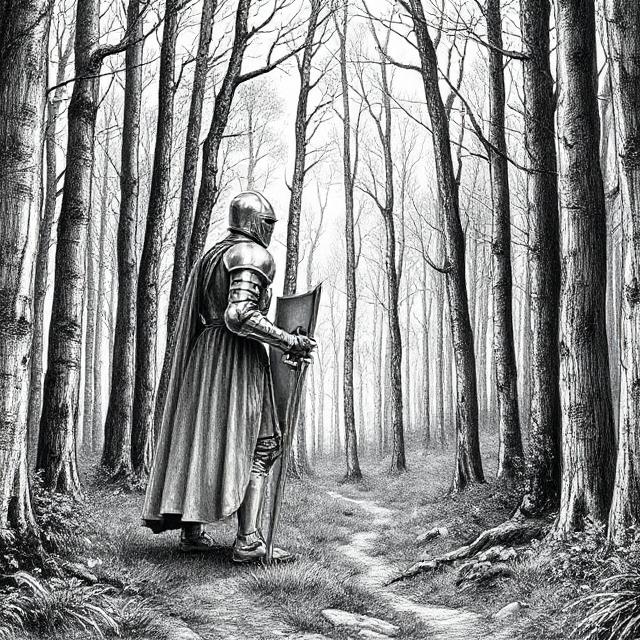
Islam does not demand the abandonment of cultural heritage. On the contrary, it purifies and dignifies what is good in every tradition. But in Europe, many new Muslims — especially converts — struggle to find this harmony.
They often become invisible within the community, navigating Islam through cultural lenses not their own. The result? Imitation replaces intimacy. Faith becomes performance, not presence.
The Convert Experience: Alone in the Crowd
In most European cities, the Muslim community is organised around ethnic heritage — Turkish mosques, Somali gatherings, Pakistani centres. These serve important roles, but for the European convert, there’s often no equivalent.
No inherited mosque, native customs or rooted Islamic memory.
Instead, new Muslims may feel like long-term guests in someone else’s spiritual home. Without cultural infrastructure, identity begins to fray — and so does faith.
Tribe Isn’t Nationalism — It’s Mercy
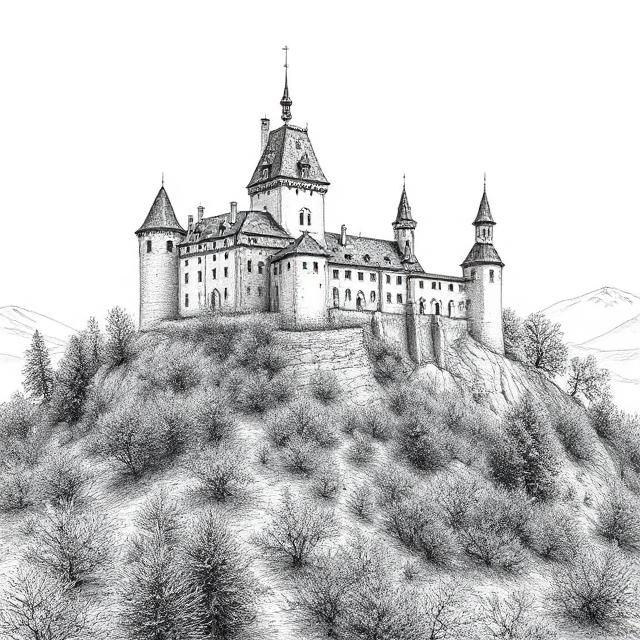
Modern Europe often equates “tribe” with exclusion — because of its history of nationalism and colonialism. But in the Islamic worldview, tribe means connection, belonging, and knowing one another.
Without culture, the soul drifts.
Without rootedness, the faith struggles to anchor.
We’re now witnessing a generation of European Muslims who feel spiritually split: Muslim in belief, but unsure how to live that belief as Irish, French, or German individuals. And often, this unspoken dislocation leads some to quietly walk away from the deen.
Indigenous Islam in Europe: Rooting, Not Replacing
To advocate for indigenous European Muslim spaces is not to revive nationalism — it’s to reclaim continuity.
Islam is not foreign to Europe. Historically, it flourished in:
- Al-Andalus (Spain and Portugal)
- The Balkans
- The Volga region among the Tatars
In each case, Islam took root without erasing local culture. It grew in the local language, art, and story. That’s the model we need again.
The Cultural Vacuum Hurts More Than We Realise
When Islam is practiced in a vacuum — without connection to one’s historical identity — it remains a foreign code, not a living inheritance. And when faith cannot be passed down in one’s own language, it risks vanishing in the next generation.
We must stop seeing this as a neutral absence. It’s a wound — and one that needs healing.
Building a Future That Feels Like Home
For Islam to flourish — not just survive — in Europe, it must feel native.
This could mean:
✅ Irish Islamic storytelling
✅ German circles of sacred knowledge
✅ French Islamic poetry
✅ Locally designed mosques and community hubs
✅ Art, tradition, and ritual born from Europe’s own soil
It’s been done before. Persia integrated Islam without losing its soul — and in doing so, became a major pillar of Islamic civilisation. European Muslims can do the same.
A Final Word: Islam Is for Europe
A child born as a Muslim in Europe should never feel like a spiritual orphan.
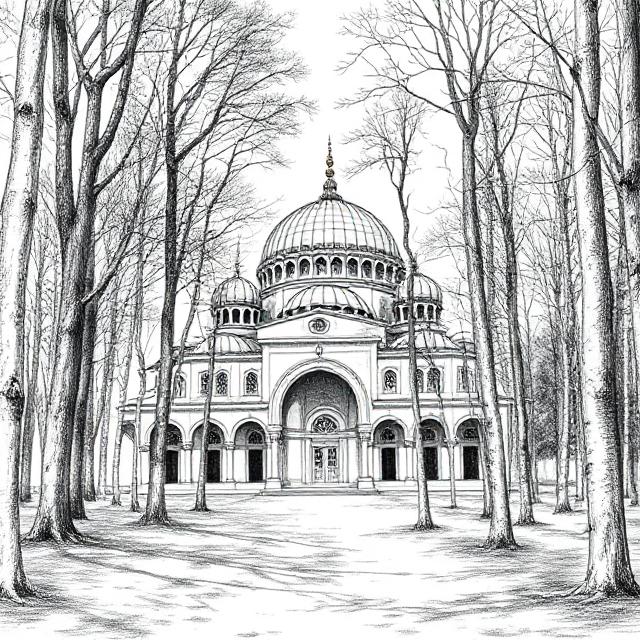
They should feel like a bridge — between their land and their Lord. Islam should not feel like an import; it should be seen as what it is: a timeless truth with local roots.
To be a European Muslim is not to betray Europe.
It is to complete it.
Let us begin the work of remembrance.
Let us build the tribe.